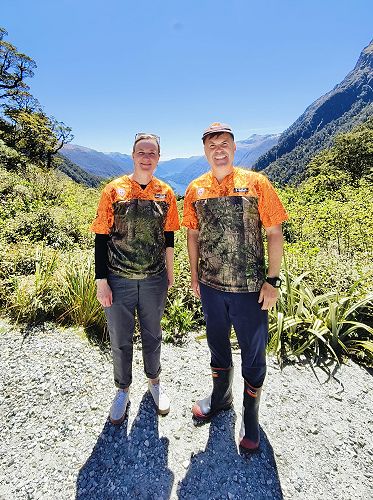
Come Rain or shine
By Tim Lucas | Posted: Wednesday December 3, 2025
Fiordland Fanatics Camp, Pātea/Doubtful Sound
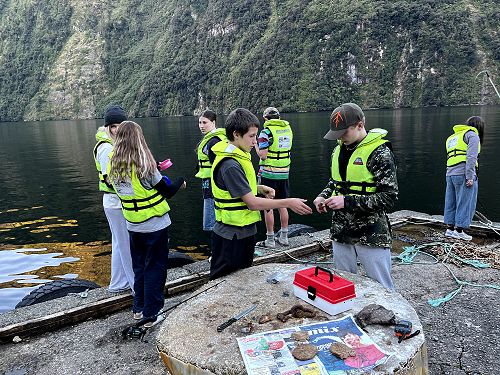
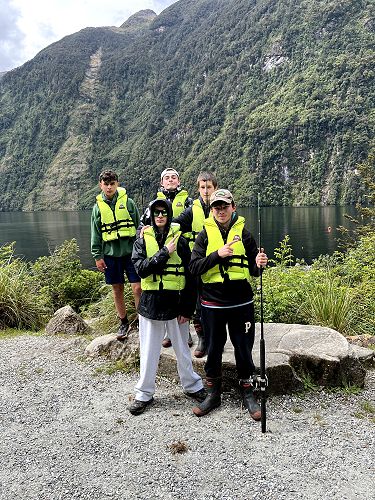
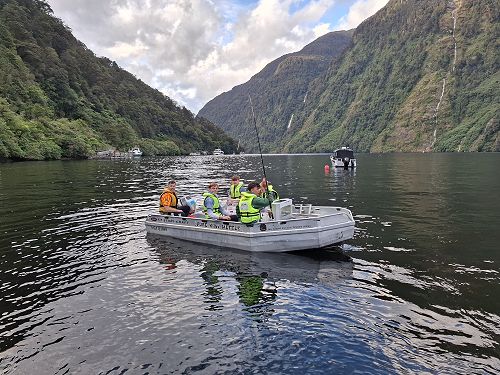
It took 25 minutes to reel in what Devan Black and Eli Bungard caught last Thursday afternoon at camp. Devan’s 10 pound rod was at maximum lockup as the boys swapped reeling duties back and forth when the fatigue set in. Suddenly the mouth (and body) of a 2.5 metre tuatini/seven-gilled shark came to the surface! It was a moment of pure shock and excitement as parent support, Mr Jeremy Toschi, myself and the other students in a small aluminium boat took in the scene. The next thought that plunged into my brain was “OK, now what!?” Thankfully about three seconds later, the shark turned it’s head, snapped the line with ease and descended back to the watery depths of Deep Cove.
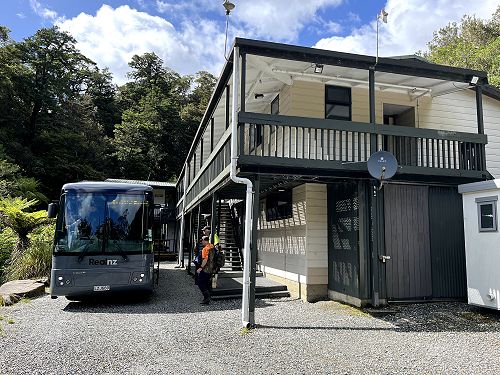
It’s about six hours from the dungeon at Trinity Catholic College to the hostel at Deep Cove which involves van, boat and coach travel. Fiordland is a wild and striking place that has been sculpted by glaciers with the Ōtira Glaciation period finishing about 20,000 years ago. According to Ngāi Tahu oral histories, Fiordland was created when the demi-god, Tū-te-Rakiwhanoa, hewed the rough gashes of the southern fiords around Rakituma/Preservation Inlet and Tamatea/Dusky Sound, leaving Resolution and Secretary Islands where his feet stood. He honed his skill as he worked north, reaching perfection with the more defined Milford Sound (Piopiotahi). After creating this spectacular landscape, he was visited by Te-Hine-nui-te-pō, Goddess of Death, who feared the vista created by Tū was so wonderful that people would want to live here forever. To remind humans of their mortality, she freed namu (sandflies), at Te Namu-a-Te-Hine-nui-te-po (Sandfly Point), at the end of the Milford Track.
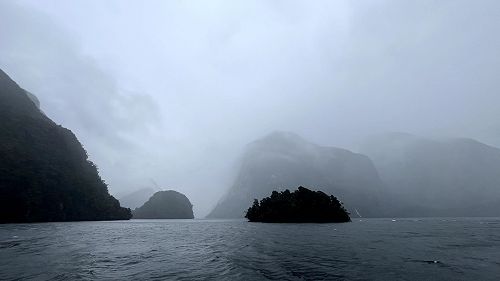
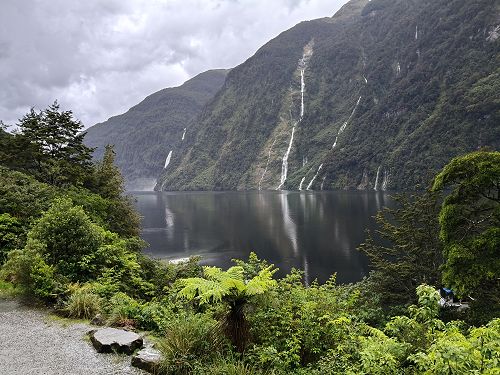
Being on the West Coast, it does rain with Deep Cove receiving about seven metres of rainfall annually compared with Dunedin’s 975mm. Come rain or shine, Pātea/Doubtful Sound is an awe-inspiring landscape and is blessed with an incredible school hostel on the water.
What’s in a name?
Pātea is the Ngāi Tahu name of this fiord which has been translated to ‘place of silence.’ Over the past few years the NZ Geographic Board has named all 16 fiords in both Te reo Māori and English. The first European visitor to Doubtful Sound was a British Royal Navy officer, explorer and cartographer, called Captain James Cook. He named “Doubtful Harbour” during his First Voyage (1768 to 1771) to New Zealand because he was in doubt that if he entered, he would be unable to sail back out due to the unfavourable winds. Doubtful Harbour later became known as Doubtful Sound however the ‘sounds’ are actually fiords, hence the name Fiordland.
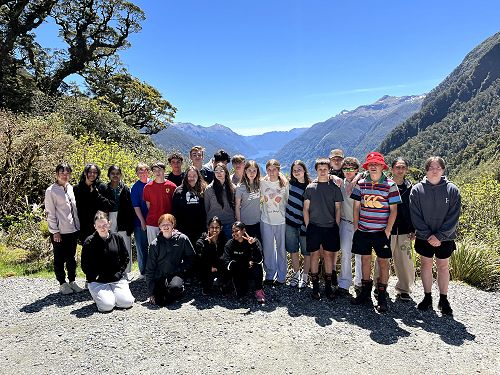
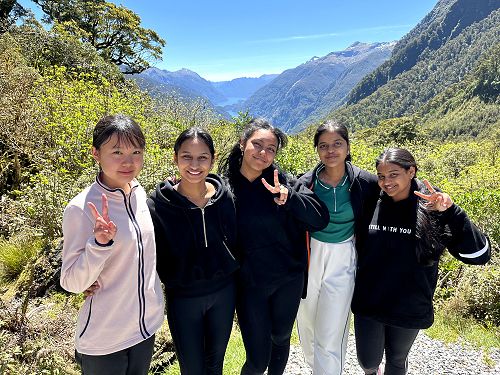
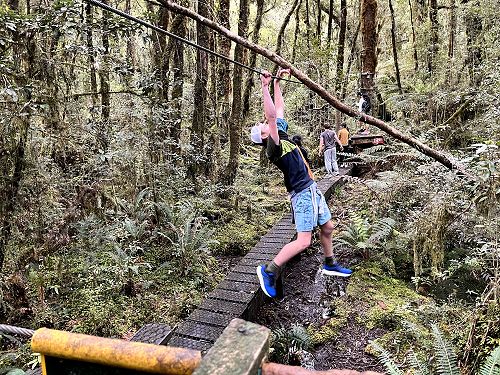
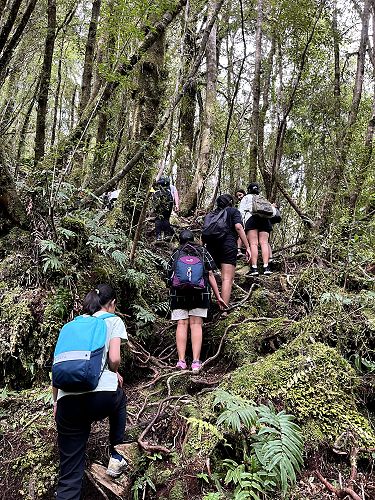
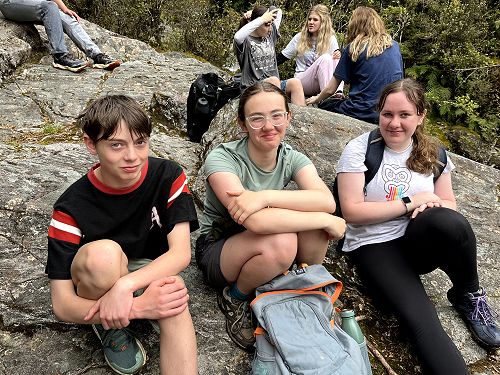
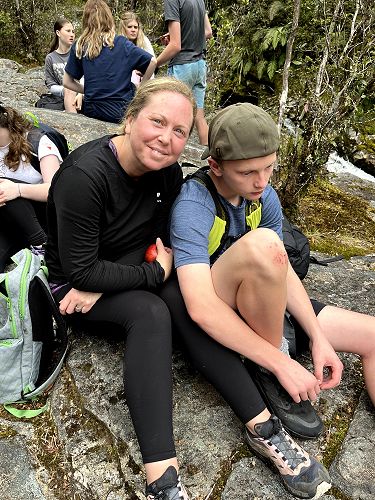
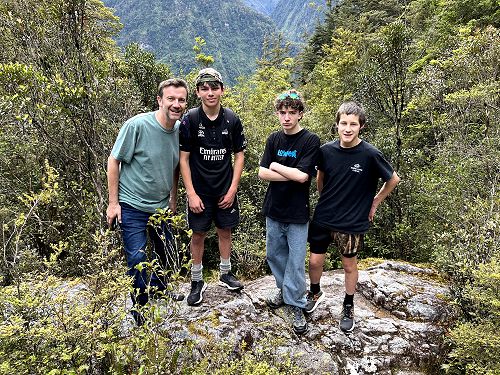
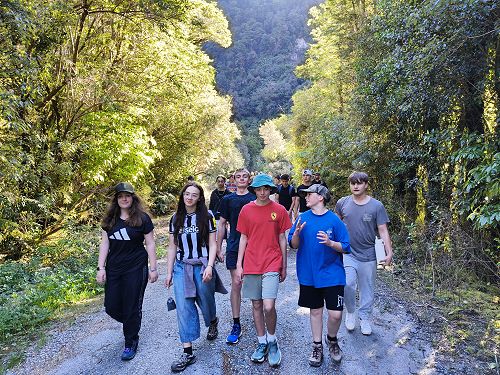
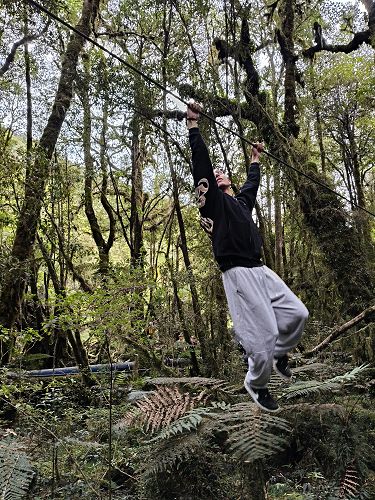
Back to the Deep Cove now and across the five-day camp, students enjoyed a mixture of fishing, day walks and a sightseeing cruise to the Tasman Sea. The walk up the Hanging Valley track has become a ‘rite of passage’ for generations of Otago and Southland students. This steep and arduous walk is not for the faint of heart which takes determination, perseverance and quite a few rest stops! Once at Kea Rock, the view is breathtaking. The option to continue to the head of the valley and admire Huntleigh Falls was accepted by a few hardy souls as the rest of the group carefully descended the web of tree roots and muddy track conditions back to the hostel.
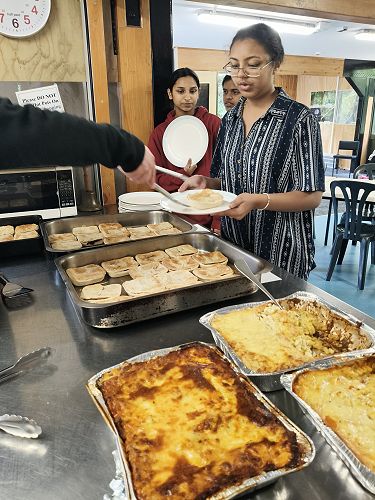
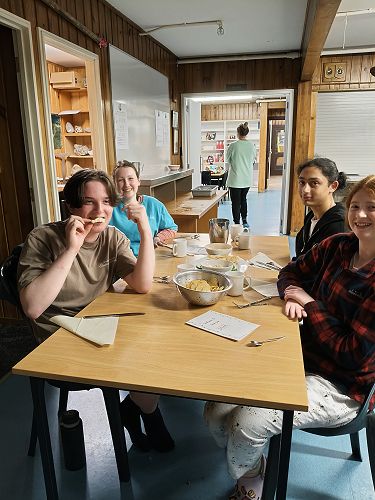
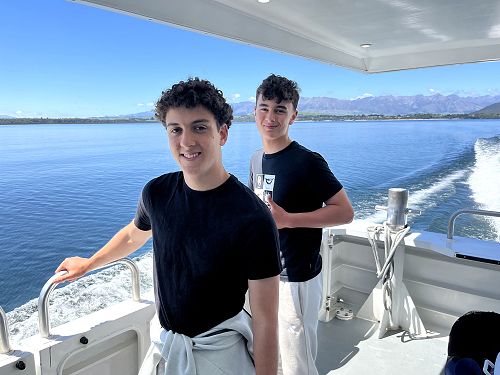
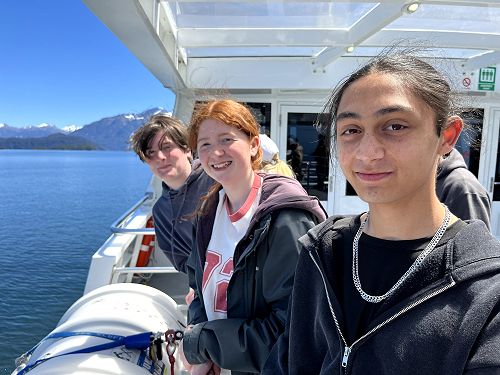
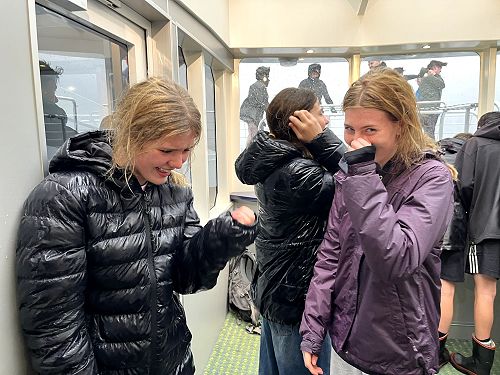
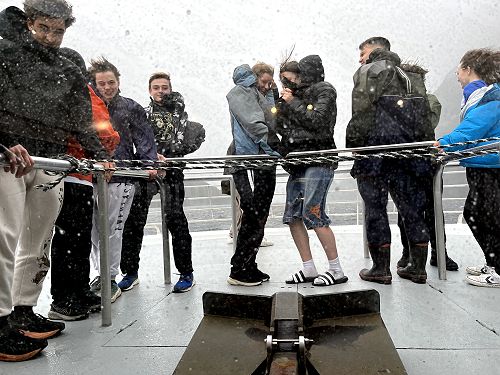
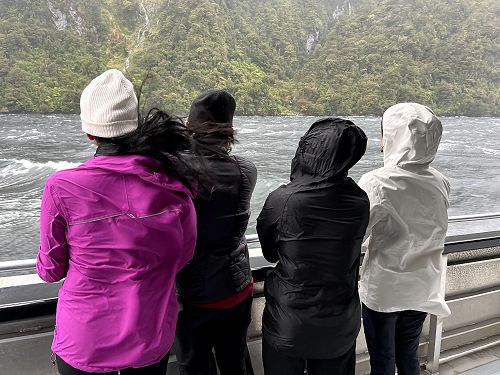
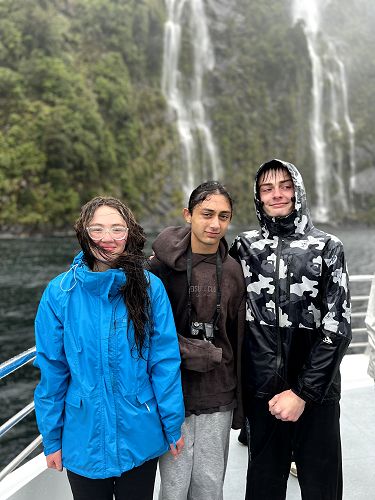
A highlight of the camp is undoubtedly the cruise to the Tasman Sea aboard the MV Pātea Explorer. On Wednesday morning the weather had changed as forecast. The warm sunshine and blue skies had changed to heavy rain and gales - typical Fiordland! The conditions made the experience memorable as the students on the bow deck embraced the wind and rain. Teacher and master chef, Mrs Julie van Rij, took a moody photo of Hall Arm and Commander Peak that you can enjoy in the album below. As we approached the the Tasman Sea, you can feel the power of the ocean with swells building and rolling under the boat. The kekeno/NZ fur seal population on the Nee Islets looked to be healthy and a number of tawaki/Fiordland crested penguins were seen swimming in the channel nearby. On arrival back at the hostel, steak pies, macaroni cheese, beef lasagne (courtesy of the Trinity canteen) were thoroughly enjoyed.
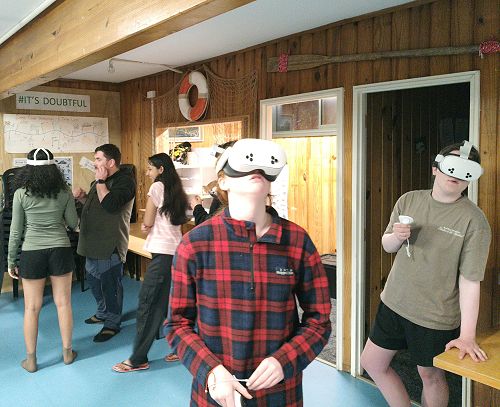
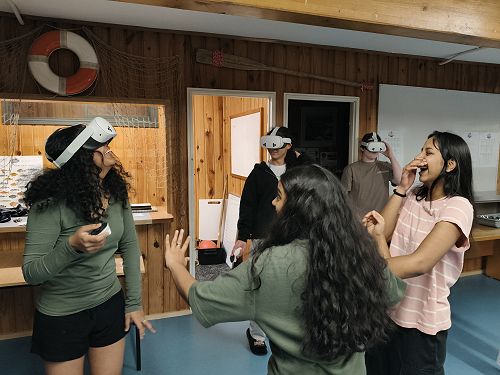
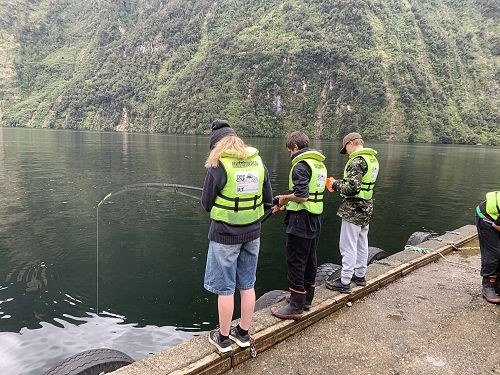
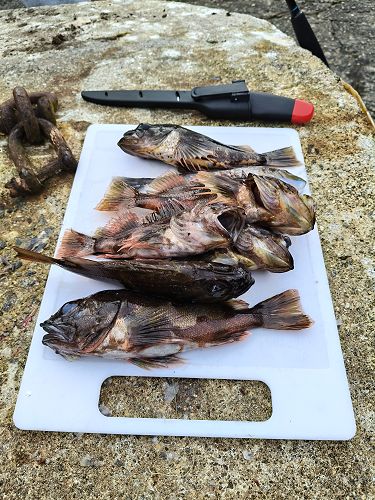
The camp features a number of fishing competitions. Ollie Muschamp holds the ‘All Time Award’ for most fish caught (117, 2024). Devan Black received the ‘Golden Hook Award’ for most fish caught on the 2025 camp which was 34. Devan and Eli Bungard this year share the ‘Moby Dick Award’ for the largest fish caught on the which as you now know was the enormous seven-giller! As the heavy rain became heavier on Thursday morning, long-time manager and legend Billy Williams advise us that some important people would soon be arriving. As we were about to leave for a morning stroll, MP for Invercargill and Minister for the Environment, Hon Penny Simmonds, local iwi and the Fiordland Marine Guardians popped in and dropped off six VR headsets. These headsets have been donated by Fiordland Marine Guardians. The amazing 'diving' experience takes you through the pristine waterways looking at kōura moana/spiny red rock lobster, black coral and meeting university researchers who work in this unique and precious marine environment. Maryann Vishal, Andre Bell, Skylah Knopp and Ryley Prasad thought the VR experience was "very cool." After singing 'Ka Waiata' to express our gartitude, we departed the hostel and spent the next few hours getting wet.
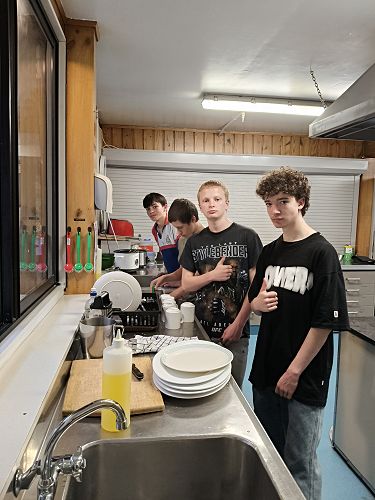
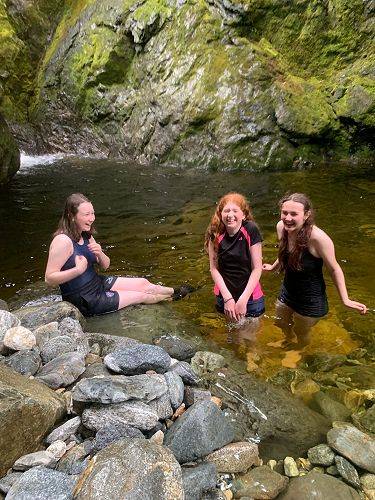
Helena Falls is one of three permanent waterfalls at Deep Cove and when it rains, the stunning water feature turns on a real show. Getting up close to a waterfall that is 'absolutely pumping' is a special (and rather damp) experience. After hot showers, milo's, the afternoon was spent playing board games and relaxing while it rained cats and dogs. A strong sense of whakawhanungatanga (kinship, team work, camaraderie) had been evident across the camp and this made for an easy clean up on Friday morning. After saying farewell to Billy, we boarded the coach for the final trip over Wilmot Pass as the sun was shining. Did you know that the Wilmot Pass Road was one of the most expensive infrastructure projects in New Zealand? In 1965 when the 21-kilometre road was finished, it cost $2 per centimetre to build. If the same road had been completed today, the cost has been calculated to cost $35/cm.
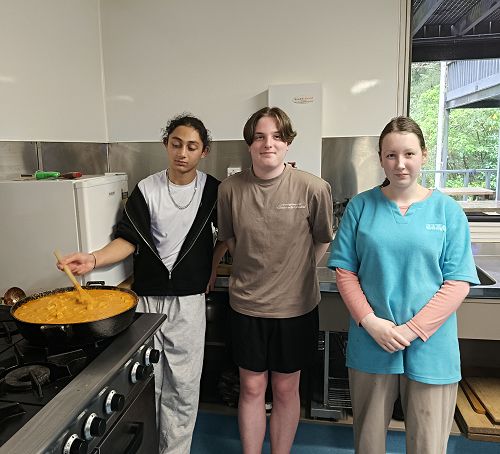
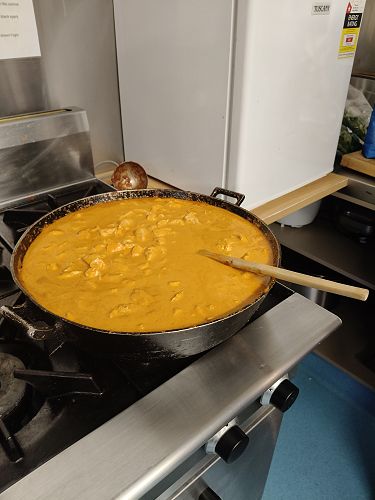
My thanks goes to our fantastic parent support Mr Jeremy Toschi, Mrs Gemma Stewart and Mr Regan Bennett who rolled up their sleeves, endured the clouds of sandflies and were great company. Mrs Julie van Rij was simply sensational and worked very hard supporting the group and taking the meals to the next level. Julie, that authentic butter chicken and roti you cooked at the Deep Cove Diner on Thursday night was delicious. Nō reira, mā pango mā whero, ka oti te mahi (In closing, with black and red the work is done).
Image Gallery