Māori Camp 2026
By Tim Lucas | Posted: Friday October 16, 2026
Te katakata o ngā tamariki
Since 2013 our Year 10 Māori Studies classes have been ‘going bush’ to learn about mātauraka Māori (Māori knowledge, wisdom, understanding and skill). From walking kā ara pounamu (greenstone trails) on the Milford Track and fishing in Pātea/Doubtful Sound to traversing Te Komama (Route Burn), our ākoka (students) have found te taiao (nature) to be a bountiful provider, rejuvenator, and a rich context for learning.
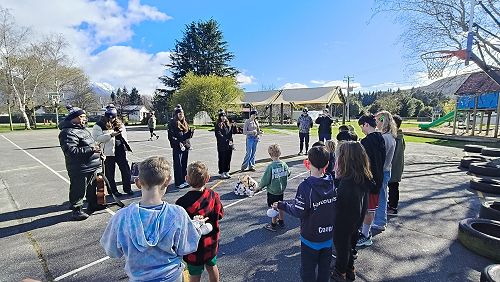
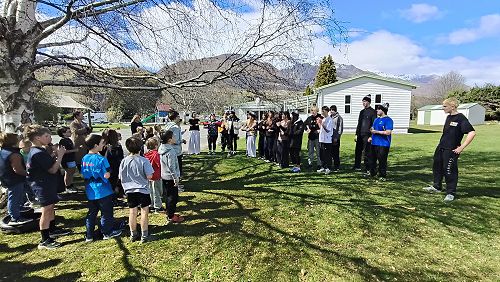
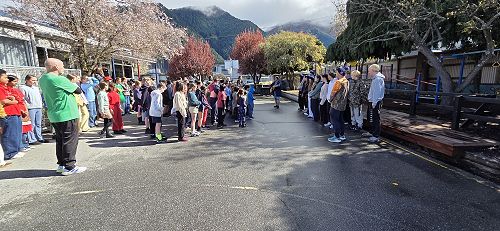
In the last week of term three, Tāhuna (Glenorchy) was the location for our 11th wānaka taiao (leadership camp). It is a special place at the head of Whakatipu-wai-Māori (Lake Wakatipu), a small settlement whose story has been shaped by kā ara pounamu, the gold rush and sheep farming. We were blessed with settled weather and a wonderful group of people. Our four-day journey from the coast to the mountains also took us to some of our Catholic primary schools in Central Otago, starting with St Gerard’s School in Alexandra. After a warm welcome from tumuaki Julie Flannery, students and teachers from both sides exchanged waiata and haka, and the visit closed with both schools singing ‘Ka Waiata’ in honour of Our Holy Mother.
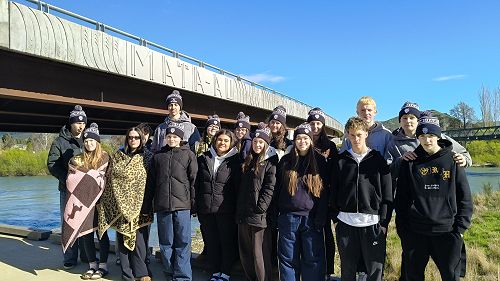
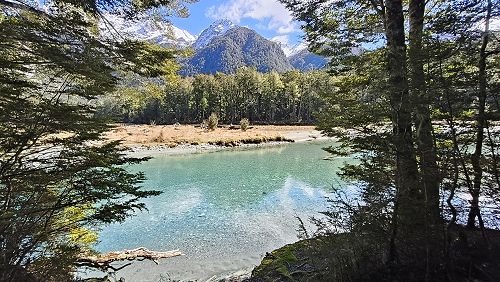
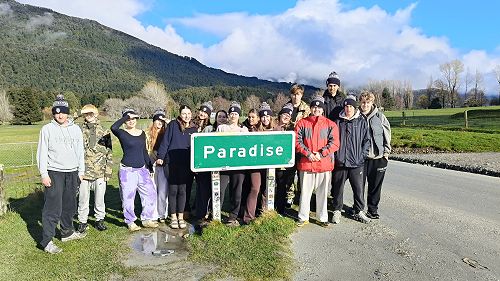
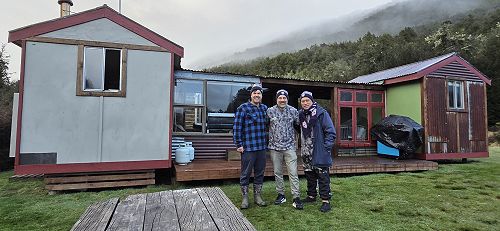
Kāi Tahu have followed the mighty Mata-au/Clutha River for centuries, and so did we, from Beaumont to Tīrau/Cromwell. From there we headed west along the Kawarau River to Tāhuna/Queenstown. Once at the top of the lake, Paradise Station is still about 20 minutes away. Under the maru (shadow) of Pikirakatahi/Mt Earnslaw, this former farm was our kāika (home) for the next four days, and it did not disappoint.
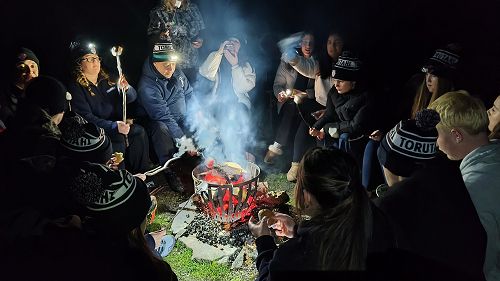
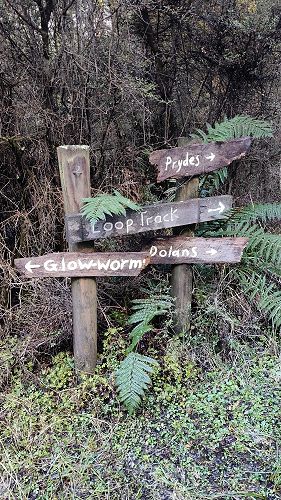
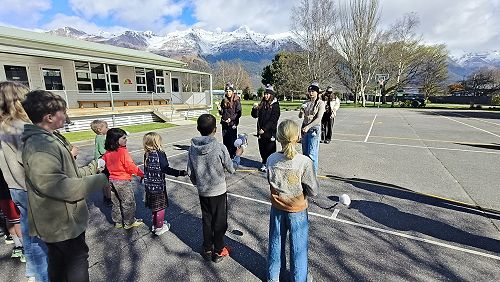
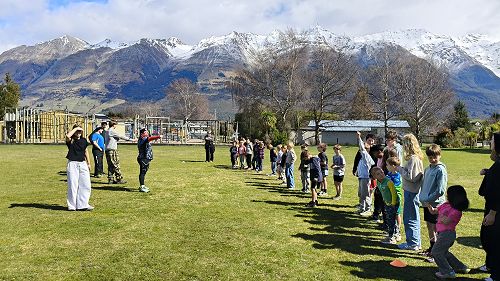
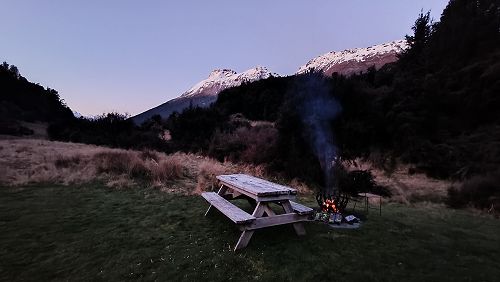
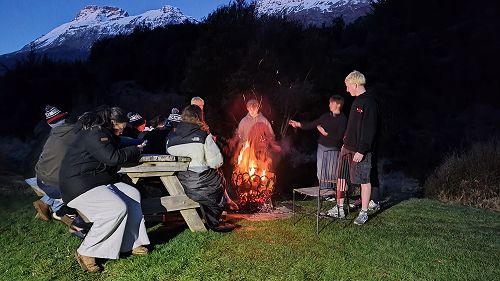
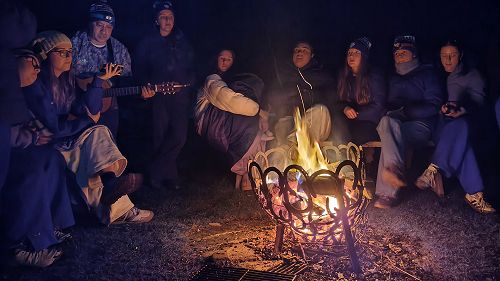
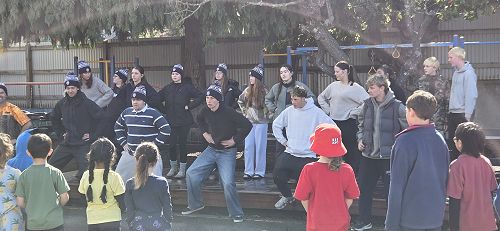
On Wednesday morning we arrived at Glenorchy School for a pre-arranged teaching session, where our Year 10 and 13 students taught traditional kēmu (games) and kapa haka to the Year 4 to 6 students. Our students showed leadership and manaakitaka, and the ākoka (students) enjoyed the visit. The afternoon was set aside to relax and explore, and we walked to an old scheelite mine. Near the mine is a small tuapuke (knoll) with an incredible view of Te Awa Whakatipu/Dart River and Kā Tiritiri o Te Moana/Main Divide of the Southern Alps. We returned to this spot day and night for karakia and to learn about Kāi Tahu place names and pūrākau (cultural narratives). I te pō (in the evening) a rising marama (moon) lit up the mauka (mountains) and waiparahoaka (glaciers), and under a perfect night sky we laughed, chatted and roasted marshmallows around the campfire.
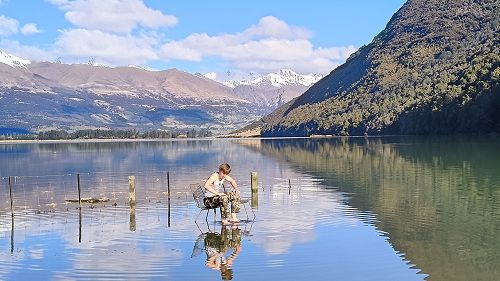
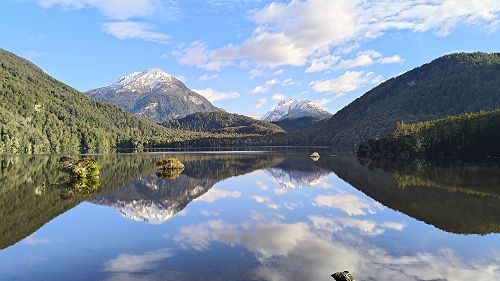
Thursday was an early start as we headed to Lake Sylvan, near Te Komama (Route Burn). Our hīkoi (walk) followed old moraine terraces and tall tawhai raunui (red beech) to the lake itself. Moananu Pesamino Tili led karakia at the water’s edge and we enjoyed hot drinks and morning tea beside the Route Burn. The afternoon was spent back at camp playing games, swimming and fishing at Diamond Lake/Ōturu, and building bivouacs.
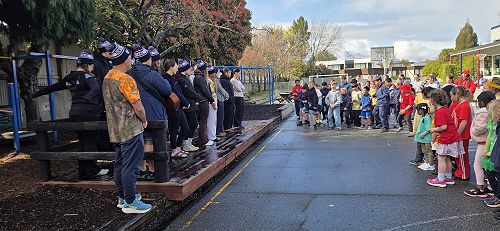
After the whakapai whare (clean up) and a farewell to manager Sabina at Paradise, we began our journey back to the East Coast. Our next stop was bubbly St Joseph’s School, Queenstown. Moananu Tili was in top form as kairakuraku (guitarist), and the kapa haka group fed off his energy to deliver an outstanding performance. The manaakitaka and wairua of the occasion were palpable, and tumuaki Alan Grant was deeply appreciative of the time and effort our college had made to connect with his kura. Again the gathering finished with a fitting ode to Mary, ‘Ka Waiata’, sung by both schools.
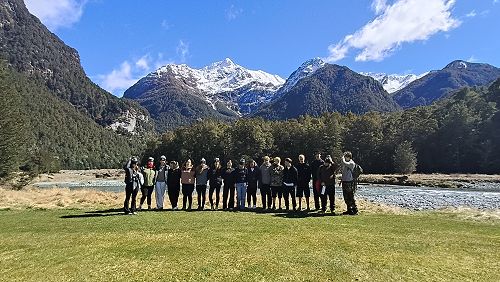
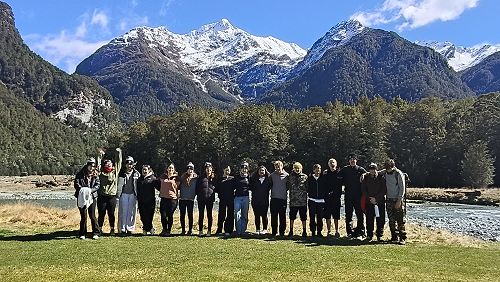
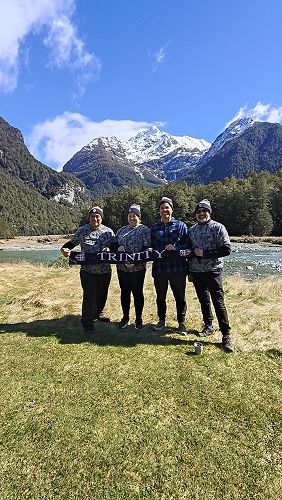
Arriving back in Ōtepoti, it is always a great feeling to see our rakatahi (youth) reconnect with their loved ones after a wānaKa. My sincere thanks go to Dee Sutherland and Geoff Waide, outstanding parent helpers who showed us the true meaning of manaakitaka. Moananu Pesamino Tili was a laugh-a-minute and brought his Special Character magic to the hearts of us all. Our Year 13 mentors did a fabulous job, and my thanks go to Riley, Ivy, Joe, Cameron and Sonny for their leadership and support. Lastly, to our amazing Year 10s, Andy, Harry, Elise, Stacey, Ruby, Vinnie, Cecelia, Oaklan, Freya, Noah, Anna and Katia: thank you for your mahi aroha and, at times, your resilience and perseverance. You are now part of the Māori camp whakapapa forever.
Nō reira, e te whānau, kei te mihi, kei te mihi, kei te mihi.
Image Gallery